

How Options Trading Works and Why Traders Use It
Option
Stock options have surged in popularity among both retail and institutional traders. They offer the potential for high returns, strategic flexibility, and leveraged exposure, allowing traders to control more shares than if they traded the underlying stock directly. However, this increased opportunity comes with increased risk. Options can be more volatile than stocks, and every option loses value over time due to time decay. Because of this, risk management is essential.
This guide explains what stock options are, key terminology every trader must know, and why traders use options for speculation, hedging, and income.
What Is a Stock Option?
A stock option gives the buyer the right but not the obligation to buy or sell a stock at a specific price before a set expiration date.
Most retail traders do not exercise options. Instead, they buy and sell options contracts to profit from price changes in the option itself.
Essential Options Terminology
Call Options
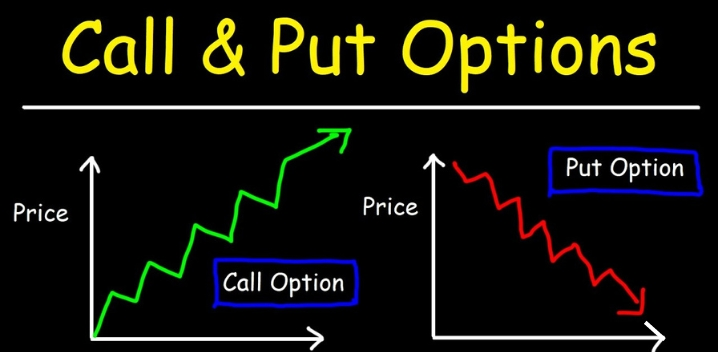
A call option gives the buyer the right to purchase a stock at a specific price (the strike price) before the expiration date.
Put Options
A put option gives the buyer the right to sell a stock at a specific price before expiration.
Strike Price
The strike price is the level at which a call buyer can purchase shares or a put buyer can sell shares if they choose to exercise the contract.
Expiration Date
The expiration date is the final trading day for the option. The closer an option gets to expiration, the more value it loses. this loss is known as time decay.
Options Premium
The premium is the price paid to buy the option. It is also the maximum amount the buyer can lose if the option expires worthless.
Option
In-the-Money (ITM) vs. Out-of-the-Money (OTM)
In-the-Money (ITM) Options
- ITM Call: The stock price is above the strike price.
- ITM Put: The stock price is below the strike price.
ITM options have intrinsic value, meaning if exercised immediately, they would be profitable.
However, a trader only profits if the option’s price rises above their purchase cost (premium).
Out-of-the-Money (OTM) Options
- OTM Call: The stock price is below the strike price.
- OTM Put: The stock price is above the strike price.
OTM options have no intrinsic value and are cheaper but riskier, because they may expire worthless.
Why Traders Use Options
- Options Trading for Speculation
Traders use options to bet on a stock’s direction with limited risk (cost of the premium). A small move in the underlying stock can create a large move in the option due to leverage.
- Options Hedging
Investors use options, particularly puts, as insurance to protect their stock positions. A protective put can limit losses if a stock falls sharply.
- Income Strategies
Options can be sold to generate income.
Examples include:
Naked puts or call:
- Selling naked puts or calls: Bet is that an option will expire worthless and the holder will pocket the premium. The risk is if the option moves thew wrong way the seller faces an undefined price risk, including seeing the option exercised.
- Selling cash-secured puts as a strategy to buy shares at a better priuce (strike – premium collected)
- Covered calls is a strategy owning shares while selling call options above the current price
- These strategies have risks, especially when selling options without owning the underlying stock. Selling naked options is not recommended for retail traders. Institutional traders use a sophisticated strategy to manage the risk.
Option
Simple Example: Buying a Tesla Call Option
Buy a Tesla Call Option
- Strike: $390
- Premium: $10
- Expiration: 1 month
If Tesla rises to $420
- Option value ≈ $30
- Profit = $30 – $10 = $20 per share
- Total profit per contract: $2,000 (100 shares per contract)
If Tesla stays below $390
- Option expires worthless
- Maximum loss: the $10 premium ($1000)
Most traders do not wait until expiration. They manage trades actively by taking profits or cutting losses early.
Opportunities and Risks in Options Trading
Options make it possible to trade stocks at a fraction of the cost of owning shares outright. With leverage, flexibility, and strategies for speculation, hedging, and income generation, options have become a core part of modern trading.
However, options can expire worthless, and short-term expirations, including weekly and even daily options introduce significant volatility. For these reasons, a strong understanding of risk is essential before trading options.
Options Trading Strategies
