

High Expectations
How Markets Really React to News
High Expectations
Navigating financial markets around major news events can feel unpredictable even for experienced traders. Many hope for a simple formula: if this news happens, the market will do that. Unfortunately, trading doesn’t work that way. While news releases often spark quick volatility, the follow-through is rarely straightforward.
In this article, we break down how markets react to news, what “consensus expectations” really mean, and why price action can often defy logic.
Why You Can’t Trade Every News Event the Same Way
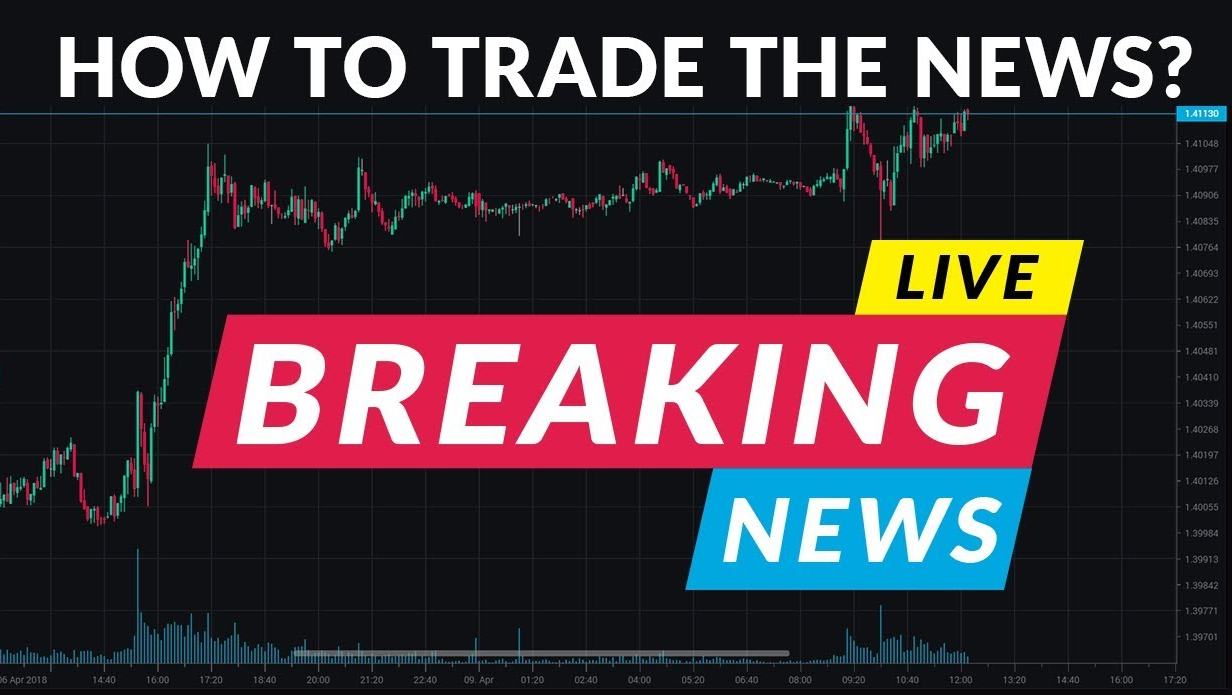
There is no guaranteed strategy for “playing” news events. While economic data, central bank announcements, and geopolitical developments can drive sharp moves, these reactions are usually brief and often unpredictable.
You may see a strong initial spike in one direction, only for the move to fade or reverse within minutes. The duration, direction, and magnitude of the move depend on factors well beyond the headline number.
This is why blindly trading news can be risky. The market’s response is rarely about the news itself. It is far more about what traders expected before the release.
Primary vs. Secondary Market Reactions
Market behavior during news events typically unfolds in two stages:
-
The Initial Reaction
This is the fast, emotional move that happens within seconds. News algos and high-frequency traders dominate this phase, reacting instantly to the headline.
-
The Secondary Reaction
Once traders digest the data, price action often shifts. This phase reflects real decision-making and whether the market believes the news confirms or challenges expectations.
It’s during this secondary reaction that the market “decides” the true direction.
Understanding this dynamic is essential for traders who look beyond knee-jerk volatility.
What Are Consensus Market Expectations?
Consensus expectations represent the collective forecast of analysts, economists, and market participants ahead of a news release. These expectations serve as the market’s baseline.
When data is released, it is judged in three ways:
- As expected: The result matches consensus; limited market reaction
- Better than expected: Data beats forecasts; typically bullish for the related asset
- Worse than expected: Data falls short; typically bearish
The bigger the deviation from consensus, otherwise known as a surprise, the more dramatic the market response tends to be.
However, even this isn’t always predictable because markets often react not to the news itself but to what was already priced in.
High Expectations and What Does It Mean When News Is “Priced In”?
Markets don’t wait for news but anticipate it. Traders position themselves beforehand based on expectations, forecasts, and sentiment.
When a result is fully “priced in,” it means the market has already adjusted ahead of the announcement. In these cases, even positive news can cause a drop because traders were already longand now they’re taking profit.
This explains why markets often move in the “wrong” direction after seemingly good or bad data.
Understanding what the market has priced in requires monitoring:
- Pre-release price trends
- Investor and trader positioning
- Market sentiment indicators
- Options flows
- Economic forecasts
Professional traders spend significant time studying sentiment because it often determines the market reaction more than the data itself.
Why Market Sentiment Matters More Than Headlines
Trying to predict the exact market reaction is impossible, even for top traders. But analyzing sentiment before data releases helps you understand how the market is positioned and whether it’s vulnerable to surprises.
Sentiment clues may include:
- Strong rallies ahead of bullish news or vice versa ahead of bearish news
- Large speculative positioning
- Options skew
- Risk-on vs. risk-off flows
- Divergence between price action and fundamentals
These signals help traders estimate whether the market is likely to overreact, underreact, or reverse after the news.
Hooked on Headlines: Why Financial Markets Are Addicted to News
Focus on Probabilities, Not Predictions and High Expectations
Even the best traders only predict market reactions correctly some of the time. Losing trades are part of the process. What separates consistent traders from emotional ones is their ability to understand:
- How expectations shape price movements
- When news is already priced in
- What sentiment suggests before the release
- When to trade and when to stay out
By focusing on market psychology rather than just headlines you give yourself a far better chance of catching meaningful moves after news events.
Remember, markets move most when there is a surprise vs. consensus forecasts that change future exspectations.
Reuters Market News
