
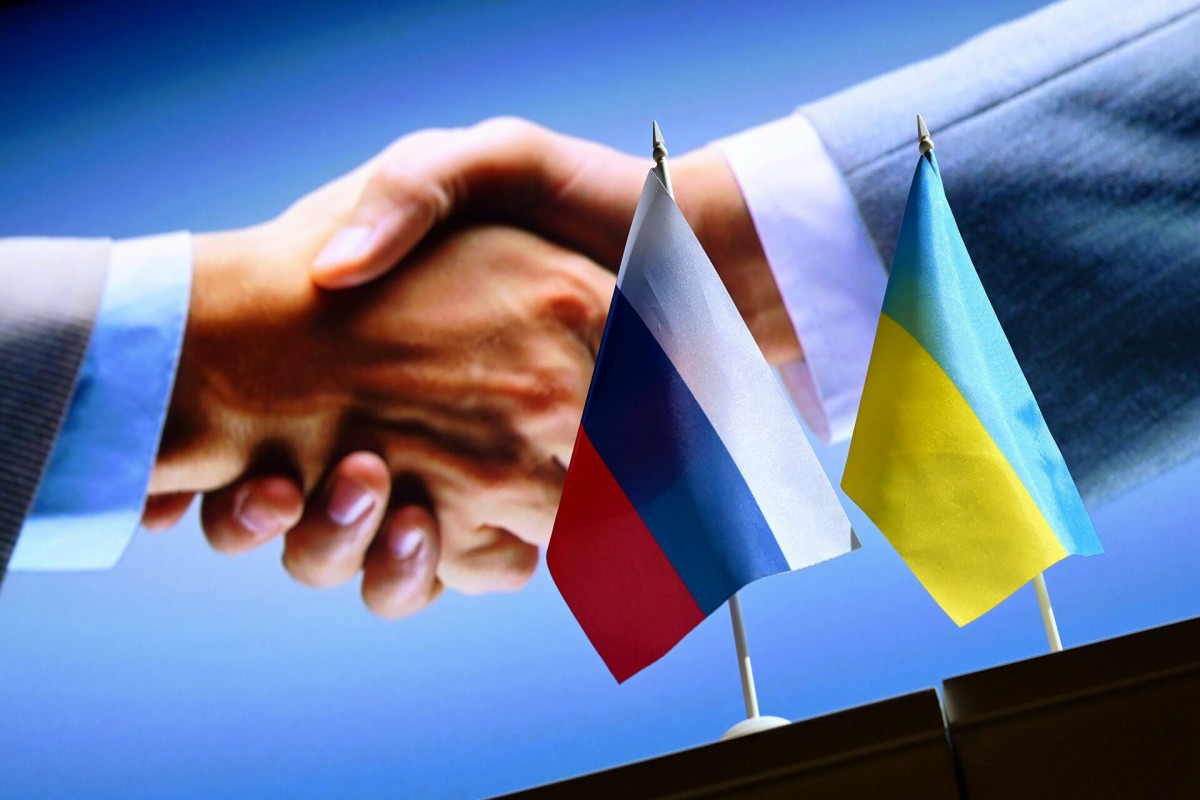

Russia-Ukraine Peace Deal
Russia Ukraine war
Negotiating a ceasefire, let alone a lasting peace deal between Russia and Ukraine has proven to be extremely challenging. However, recent comments from President Trump suggesting a deal is “close,” along with Steve Wyckoff’s statement that only one key issue remains unresolved, have increased speculation that a breakthrough could occur.
Given the history of false starts, markets are unlikely to fully price in peace ahead of time. That makes it important to consider how global markets might initially react to a credible headline announcing progress in negotiations and a tentative peace deal..
How Markets Really React to News: Understanding Expectations, Sentiment, and Price Action
Russia Ukraine war
Energy Markets: Lower Prices on Supply Expectations
Likely Market Reaction
- Oil prices could fall on expectations of increased Russian supply, particularly if sanctions are lifted or partially eased.
- Natural gas prices could decline sharply if Russian pipeline flows into Europe begin to normalize.
A return of Russian energy supplies would likely ease inflationary pressures in Europe, improve industrial margins, and lower household energy costs. The scale of the move would depend on how quickly sanctions are relaxed and how fast supply actually reaches markets.
Stocks and Risk Assets: Relief Rally Likely
Equity Markets
- Global equities could rally, with Europe likely outperforming due to reduced geopolitical risk and falling energy costs.
- Industrials, construction, and materials stocks could benefit from expectations of large-scale reconstruction in Ukraine.
- Consumer-focused companies may gain on improved confidence and lower inflation expectations.
Defense Stocks
Defense stocks could face short-term pressure if near-term military spending plans are scaled back. However, many European countries are likely to maintain elevated long-term defense budgets, limiting downside risk.
Regional Market Reactions
- Eastern European markets stand to benefit significantly from lower geopolitical risk, increased regional trade, and reconstruction-related capital flows.
- Countries closely tied to Ukrainian rebuilding efforts could see improved growth expectations and capital inflows.
Currency Markets: The Euro in Focus
Euro (EUR)
The euro would likely be one of the biggest beneficiaries, supported by:
- Reduced geopolitical risk
- Lower energy import costs
- Potential normalization of trade with Russia if sanctions are eased
Other Currencies
- Emerging market currencies could strengthen as geopolitical risk aversion fades and the U.S. dollar weakens.
- The Russian ruble and Russian equities would likely firm, though gains would depend on how durable and credible the peace deal appears.
Commodities: Agriculture vs. Precious Metals
Agriculture and Grains
- Prices could move lower as markets price in increased supply from Russia and Ukraine, two of the world’s largest producers of key agricultural commodities.
Gold and Precious Metals
- Gold and silver may see an initial as safe-haven demand fades.
- However, longer-term support, such as central bank reserve accumulation demand, suggests any significant dip could be limited if met with renewed buying.
Inflation, Interest Rates, and Bond Markets
If energy and commodity prices fall following a peace announcement:
- Inflation expectations could ease, particularly in Europe
- This may influence central bank policy expectations, potentially delaying or moderating rate hikes
- Bond yields could stabilize or fall, although longer-term moves will still depend on fiscal policy, growth, and inflation expectations.
Key Uncertainties Markets Will Focus On
While a Russia-Ukraine peace deal would be a clear positive for global markets, the extent and sustainability of the reaction will depend on several factors:
- Sanctions policy: Will sanctions be lifted immediately, partially, or kept in place to test whether peace holds?
- Speed of supply normalization: How quickly will energy and agricultural products actually reach global markets?
- Credibility of the agreement: Is the peace viewed as durable or merely a temporary ceasefire?
- Market positioning: Have markets already priced in some probability of peace, or will the reaction be largely a surprise?
Given the lack of trust on both sides and the number of failed negotiations in the past, markets are likely to react sharply at first, with longer-term pricing determined by the details.
A credible Russia-Ukraine ceasefire or peace deal would likely trigger a broad risk-on reaction, led by falling energy prices, stronger European assets, easing inflation expectations, and improved global sentiment. However, as markets have learned repeatedly, the devil will be in the details.
Initial reactions may be powerful but sustainability will depend on whether peace is seen as real, enforceable, and lasting
Russia Ukraine war
