
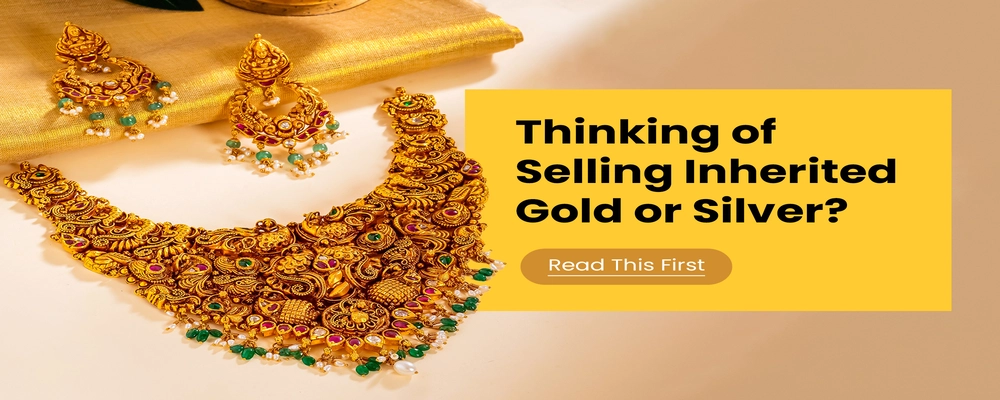

Receiving gold or silver through inheritance, whether it’s jewellery, coins, or bullion, can feel like uncovering something valuable that’s been tucked away for years. At the same time, it can raise plenty of questions in your mind. With different types of items, varying purity levels, and constantly moving prices, it’s not always obvious what should be sold and what might be worth holding onto. Taking the time to properly understand what you’ve been left with can make the whole process far less overwhelming and help you make a sensible choice.
Understanding the Basics of Gold and Silver Value
Before making any decisions, it helps to understand how gold and silver are priced. In straightforward terms, their value mainly comes down to two things: how much they weigh and how pure the metal is. On top of that, the current market rate, known as the spot price, plays a big part. This is the live global trading price of gold or silver at a particular moment.
Keep in mind that when you sell, you generally won’t receive the exact spot price. Buyers factor in refining costs, handling, and business expenses, which means the final offer is usually slightly lower. That’s standard practice in the industry.
Different items are assessed in different ways. Gold or silver bars are valued purely on weight and purity. Coins can sometimes attract extra value if they are rare or sought after by collectors. Jewellery is most often priced according to its metal content, although certain pieces may hold additional worth because of design, brand, or craftsmanship.
How to Identify and Evaluate Gold and Silver Items
Once you understand how pricing works, the next step is figuring out exactly what you have. Purity is one of the key details. Gold purity is measured in karats, with 24k being pure gold. In Australia, it’s common to see 9k and 18k jewellery. Silver is usually marked as 925, meaning it contains 92.5 percent pure silver, which is known as sterling silver.
Most genuine items have small stamps that show their purity. Some may also include a maker’s mark or country of origin. These markings can give you clues about whether your item is simply valuable for its metal or whether it may also carry collectible appeal.
It’s also important to weigh your items, as precious metals are bought and sold by weight. Even broken bracelets, single earrings, or damaged pieces still hold value if they are real gold or silver. Online calculators can provide an estimate based on weight and purity, which can be useful before speaking to a professional buyer.
Assessing the Condition of Your Gold and Silver
After confirming the purity and weight, it’s worth considering the condition. For bullion, appearance usually doesn’t make much difference as long as the metal content remains the same. Coins, however, can vary significantly in value depending on their condition. Coins that are in near-new or uncirculated condition often command higher prices than those that show heavy wear.
With jewellery, scratches, dents, or general wear may reduce its resale appeal, particularly if it was originally a designer piece. Even so, damaged jewellery still has underlying value because of the metal it contains. It doesn’t need to look perfect to be worth selling.
If you’re unsure about the quality or possible value of something, arranging a professional assessment can provide reassurance and clarity. At Cash Your Gold, we assess your precious metals in front of you following the highly reliable XRF testing. Every process, from weighing to checking purity, we ensure you are in the know so you get the best valuation based on the live international market price.
Identifying Rare and Collectible Pieces
Some inherited items may be worth more than just their metal weight. Certain coins, limited editions, or historically important pieces can carry added value due to rarity and collector demand. Similarly, vintage jewellery or pieces from recognised designers may fetch higher prices than standard items of the same weight.
If you suspect you may have something unusual or collectible, it’s wise to look into it further before selling it as scrap metal. A proper evaluation could make a noticeable difference in the final sale amount.
Where to Sell Inherited Gold and Silver
Once you’ve worked out what you own, the next step is deciding where to sell it. In Australia, there are a few common options, each with its own pros and cons.
-
Local jewellers and pawn shops offer convenience, but their offers may sometimes be lower compared to those of specialist buyers. Businesses that focus specifically on precious metals often provide stronger rates because they closely follow market prices and deal directly with refiners.
-
Online marketplaces and auction sites may be suitable if you have rare coins or unique pieces that could attract collectors. This route can sometimes result in a higher return, although it generally requires more time and effort.
For straightforward sales based on metal value, a reputable gold and silver dealer, like Cash Your Gold, is the most practical and transparent option. Why?
-
Your gold or silver is checked right there, in front of you. Nothing is taken out of sight. You can see the scale and how the value is worked out.
-
Our offers are based on the gold and silver prices on the day. It’s not a random number. The rate follows the live market.
-
We tell you how purity and weight affect the payout in simple terms. If you’re not happy with the offer, you can walk away. There’s no pressure to sell.
-
We’ve been dealing with Brisbane locals for years. A lot of their work comes from repeat customers and referrals, which says a lot about trust.
Getting the Best Price for Your Gold and Silver
If you decide to sell, it’s a good idea to obtain multiple quotes so you can compare offers. Checking the current gold or silver price beforehand will also help you feel more confident during the process.
Feel free to ask the buyer how they arrived at their offer. A reliable dealer should clearly explain how the items were tested, weighed, and priced. There should never be pressure to make an immediate decision.
It’s also important to be cautious if an offer sounds unusually high without a clear explanation. Working with a well-established and trusted buyer helps ensure everything is handled fairly.
Tax Considerations When Selling Inherited Gold and Silver
In Australia, selling inherited gold or silver may trigger capital gains tax if the value has increased since the time you inherited it. The outcome depends on when the inheritance occurred and the market value at that time.
Here’s the simple way to understand it:
If you sell the gold or silver for more than it was worth when you inherited it, you may need to pay tax on the profit.
The basic idea is:
Selling price – value at the time you inherited it = profit (capital gain)
That profit is added to your normal yearly income and taxed at your usual income tax rate. If you keep the gold or silver for more than 12 months before selling, you may only have to pay tax on half of the profit. This is called the 50% CGT discount.
If you sell it for about the same price it was worth when you inherited it, there may be little or no tax to pay. Everyone’s situation is different, so it’s always a good idea to check with an accountant to make sure you’re handling it correctly.
For example:
If held longer than 12 months, only $5,000 would be added to your taxable income. You don’t pay a separate 50% tax. You simply include half the gain in your normal income.
What if you sell at the same value?
If you sell it for roughly the same value it was worth when you inherited it, there may be little or no capital gain, which means little or no CGT
Is GST involved?
Forndividuals selling personal inherited items, GST does not apply. GST is generally only relevant if you are running a business dealing in precious metals.
Keeping accurate records of valuations and sale prices is important. If you’re unsure about how the rules apply to your situation, speaking with an accountant or financial adviser is a sensible step.
Conclusion
Inheriting gold or silver can have both emotional and financial significance. By carefully checking the weight, purity, condition, and possible rarity of your items, you can gain a clear understanding of their value and decide whether selling is the right move.
If you choose to sell through a precious metal dealer, an auction platform, or another channel, understanding how the market works and comparing offers will help you move forward with confidence.
If you need assistance valuing or selling inherited gold and silver, Cash Your Gold is ready to help. Our team can carefully assess your items and guide you through the process in clear, straightforward terms, so you know exactly what your options are and what to expect.
To speak to our experts,
📞 Call: 1300 678 175 or
Visit
Chermside (North Brisbane)
-
Address: Suite 5, 832 Gympie Rd, Chermside, QLD 4032
-
Phone: 07 49 390 234
-
Email: info@cashyourgold.net.au
-
Hours: Mon–Fri: 9:00 AM – 5:00 PM; Sat: 10:00 AM – 4:00 PM
-
Details: Located opposite Westfield Chermside, with parking available behind the building and easy access via Hamilton Road.
2. Sunnybank (South Brisbane)
-
Address: 6/409 Mains Rd, Macgregor, QLD 4109
-
Phone: 07 2142 6862
-
Email: info@cashyourgold.net.au
-
Hours: Mon–Fri: 9:00 AM – 5:00 PM; Sat: 10:00 AM – 4:00 PM
-
Details: Conveniently located in the heart of Sunnybank, easily accessible for residents.
3. Brownsplains (South-West Brisbane)
-
Address: Unit 3/3376 Mount Lindesay Hwy, Regents Park, QLD 4118
-
Phone: 07 2142 6482
-
Email: info@cashyourgold.net.au
-
Hours: Mon–Fri: 9:00 AM – 5:00 PM; Sat: 10:00 AM – 4:00 PM
-
Details: Situated along the Mount Lindesay Highway, this location serves the south-western suburbs of Brisbane.
