

Successful trading is not just about finding the perfect entry point. It is about using your time effectively and focusing on the information that truly matters. In today’s fast-moving financial markets, traders are constantly bombarded with news, indicators, opinions, and analysis. Without a structured approach, it is easy to become overwhelmed and suffer from analysis paralysis.
The reality is that market analysis has a short shelf life. Conditions can change rapidly due to economic releases, geopolitical developments, central bank decisions, or shifts in investor sentiment. That is why traders need a process that combines research, analysis, action, and continuous learning.
Whether you trade forex, stocks, commodities, indices, or crypto, understanding how to spend your time productively can improve decision-making and help build long-term consistency.
Why Time Management Matters in Trading
Trading is often misunderstood as a quick way to make money. In reality, trading is a business that demands discipline, preparation, and ongoing education. Like any successful business, consistent results take time and effort.
Every trading session provides an opportunity to learn something new about market behavior, risk management, and trader psychology. Those who dedicate time to improving their understanding of the markets are far more likely to adapt and survive in changing conditions.
Here are six of the most important areas traders should focus on when analyzing the market.
- Monitor Related Asset Classes
One of the most overlooked aspects of trading analysis is understanding how different asset classes influence each other.
Markets are interconnected. Movements in commodities, bonds, currencies, and equities often create ripple effects across the financial system. For example:
- Rising oil prices can influence inflation expectations and currency markets.
- U.S. Treasury yields can impact the value of the U.S. dollar and stock market sentiment.
- Gold prices often react to risk aversion and central bank policy expectations.
Traders who monitor these relationships gain a broader understanding of what is driving market sentiment and price action.
For forex traders especially, keeping an eye on commodities and bond yields can provide valuable clues about future currency direction.
- Watch for Market Correlations
Understanding correlations between assets can help traders identify the dominant market theme.
For example, during periods of geopolitical tension, oil prices may become the primary driver of broader market sentiment. In risk-off environments, traders may also see stronger demand for traditional safe-haven assets such as gold, the Japanese yen, Swiss franc or U.S. Treasuries.
Recognizing these relationships can help traders identify opportunities and understand why markets are moving.
However, traders must also remember that correlations are not permanent. A relationship that works today or intra-day may disappear later in the day or tomorrow. Markets constantly evolve, and stubbornly trading outdated correlations can lead to costly mistakes.
Successful traders remain flexible and adapt when market dynamics change.
- Stay Informed About Global Events
Global events can dramatically influence financial markets. Elections, wars, political instability, sanctions, trade disputes, and central bank announcements all have the potential to create volatility.
Understanding how markets respond to major events can help traders anticipate potential risks and opportunities.
Examples include:
- Stock market reactions to election results
- Currency volatility following sanctions or trade policies
- Commodity price spikes during geopolitical conflicts
- Central bank decisions or comments impacting interest rate expectations
Staying informed allows traders to better understand market sentiment and prepare for sudden shifts in volatility.
In modern trading, awareness of global developments is no longer optional , it is essential.
- Follow Developments in Your Trading Market
Every financial market has its own unique drivers and evolving trends.
Forex traders, for example, may focus heavily on interest rates and economic data, while equity traders often pay closer attention to earnings reports, sector rotation, and investor sentiment. Commodity traders monitor supply disruptions, weather patterns, and geopolitical risks.
Markets evolve constantly, which means traders must stay updated on:
- Market sentiment
- Analyst expectations
- Institutional positioning
- Breaking news
- Economic reports
- Sector trends
- Relative monetary policy expectations between countries
Understanding how your chosen market reacts to news and economic events can help improve trade timing and risk management.
The more familiar you become with your market’s behavior, the more confident and informed your trading decisions will become.
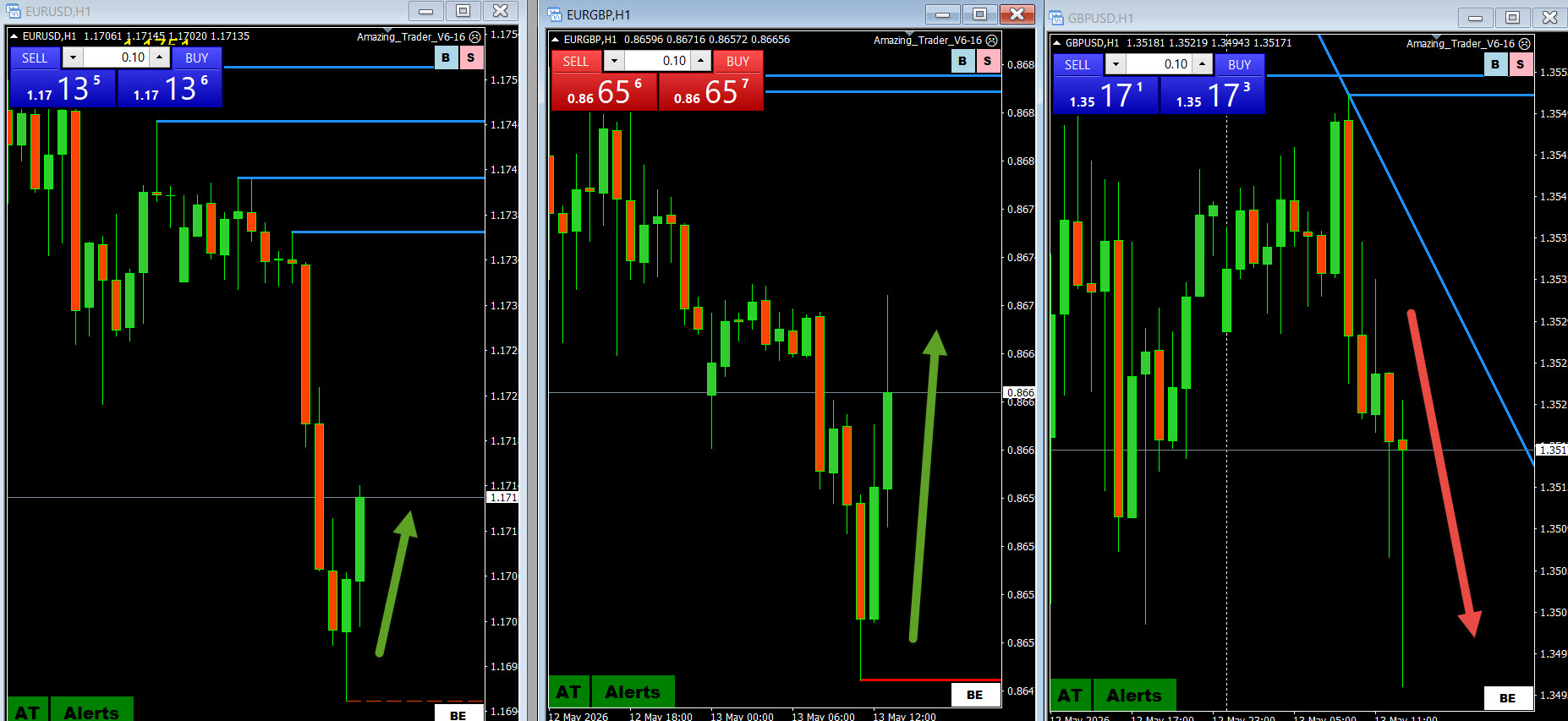
Forex Cross Currency Flows : EURGBP up => EURUSD up => GBPUSD down

- Track Economic Data and Key Releases
Economic data releases are among the most important catalysts for market volatility.
Reports such as inflation data, employment figures, GDP growth, retail sales, and central bank decisions can trigger major price swings across forex, stocks, bonds, and commodities.
Traders should always know when major economic releases are scheduled and understand why they matter.
Some of the most closely watched economic indicators include:
- U.S. Non-Farm Payrolls (NFP)
- Consumer Price Index (CPI)
- Federal Reserve and other central bank interest rate decisions
- GDP reports
- Retail sales data
- Purchasing Managers’ Index (PMI)
For stock traders, company earnings reports and forward guidance are equally important.
Keeping track of economic events allows traders to prepare for volatility and avoid being caught off guard by sudden market moves.
- Study Price Charts and Technical Levels
Technical analysis remains one of the most important tools available to traders.
Studying charts helps traders identify:
- Support and resistance levels
- Market trends
- Breakout zones
- Reversal patterns
- Momentum shifts
- Potential entry and exit points
Charts provide a visual representation of market psychology and can reveal valuable clues about future price behavior.
Traders should regularly mark up charts, review historical reactions, look for patterns identify momentum and areas where price has previously struggled or accelerated.
Combining technical analysis with fundamental awareness can create a more complete trading strategy.
The Smarter Way to Trade: Understanding Market Episodes
To sum up, effective market analysis is about focusing on the information that truly matters in the current environment instead of becoming overwhelmed by endless data and opinions.
Successful traders continuously research, analyze, execute, and learn from their results. They understand that trading is a long-term process that requires discipline, patience, and adaptability.
By focusing your time on related asset classes, market correlations, global events, economic releases, evolving market trends, and chart analysis, you can develop a stronger understanding of the markets and improve your trading decisions over time.
In trading, knowledge and preparation are powerful advantages — and how you spend your time often determines your success.
