
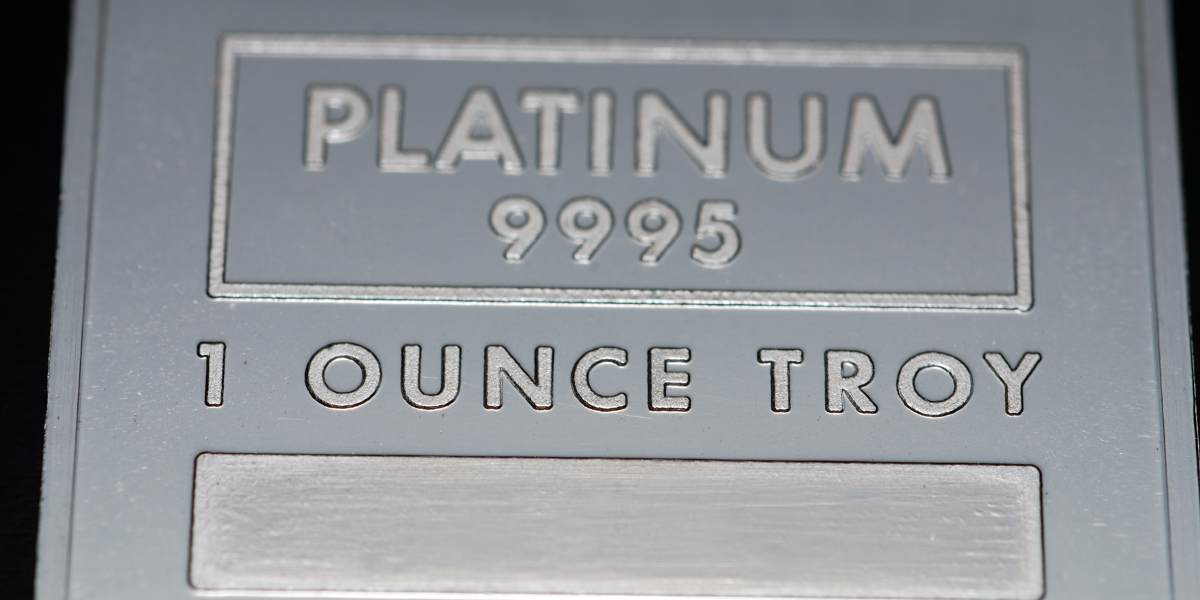

Platinum doesn’t get the same attention as gold or silver, but it’s one of the rarest and most industrially important precious metals you can buy. If you’re considering platinum as part of your investment portfolio or your business’s inventory, here’s what you need to know before you buy.

What Is Platinum Investing?
Platinum investing means buying platinum in a form that holds and can grow in value over time, typically bars, rounds, or bullion coins with verified purity. Unlike gold, which is bought mostly as a store of value, platinum has heavy industrial demand. It’s used in catalytic converters, electronics, and medical equipment.
That industrial demand is the biggest thing that separates platinum from gold as an investment. When manufacturing slows down, platinum demand can drop with it. When it picks up, prices can move quickly. Understanding this distinction matters more than any other single fact before you buy your first ounce.
Platinum vs. Gold vs. Silver: Key Differences for Investors
Each precious metal behaves differently and platinum has its own risk profile.
Rarity and Supply
Platinum is significantly rarer than gold. Most of the world’s supply comes from a small number of mining regions, primarily South Africa and Russia. That concentration makes platinum supply more vulnerable to disruption than gold or silver.
Price Volatility
Platinum prices swing more than gold, largely because of its tie to industrial demand. Investors looking for a stable, long-term store of value often lean toward gold. Investors comfortable with more price movement, and who understand the industrial cycle, may find opportunity in platinum.
Historical Pricing Patterns
Platinum has traded both above and below gold’s price at different points over the past few decades. There’s no fixed relationship between the two metals, which is a common misconception among first-time buyers.
What you should take away: platinum isn’t a substitute for gold in a portfolio. It’s a different asset with different drivers, and it should be evaluated on its own terms.
How Platinum Pricing Works
Platinum prices are set through the London Fixing, a benchmark published twice daily by industry authorities. This fixing price becomes the reference point that dealers and refiners use to price physical platinum around the world.
Two things impact what you’ll actually pay:
Spot Price
This is the current market price for immediate delivery, based on the London Fixing and adjusted slightly for regional supply and demand.
Premium
Physical platinum, whether bars or coins, sells at a markup above spot price. This premium covers minting, distribution, and dealer margin. Premiums vary by product type and by how much you’re buying. Larger purchases typically carry lower premiums per ounce.
Before buying, always confirm whether the quoted price reflects spot, spot plus premium, or a flat retail price. This is where first-time buyers most often overpay.
Ways to Invest in Platinum
Physical Bullion
Platinum bars and rounds are the most direct way to invest. You own the metal outright, with no counterparty risk and no reliance on a financial institution to honor a paper claim.
The trade-off is storage and insurance. Physical metal needs to be kept somewhere secure, and that has a cost, whether it’s a safe, a safe deposit box, or a third-party storage service.
Platinum Coins
Platinum coins can serve two purposes: bullion investment or collectible value. It’s important to know which one you’re buying. A bullion coin’s value is tied almost entirely to its metal content and current spot price. A collectible coin’s value can include rarity, mintage numbers, and condition, on top of metal content.
If your goal is investment, prioritize coins with well-documented purity and weight from a recognized mint. If you’re not sure which category a coin falls into, ask before you buy.
Buying Wholesale for Business Use
This is where platinum investing looks different for jewelers, manufacturers, and other businesses compared to individual investors. Businesses that use platinum in production, such as jewelers casting platinum settings or manufacturers using platinum wire and rod, often hold platinum inventory that functions as both a working material and a hedge against price increases.
Buying at wholesale volume typically means lower premiums per ounce than retail purchases, and it lets a business manage its own supply instead of buying material on demand at whatever the market price happens to be that week. If your business regularly works with platinum, sourcing it wholesale is usually more cost-effective than buying smaller retail quantities as needed.
What to Look for When Buying Platinum
Regardless of which form of platinum you buy, a few checks apply every time:
Purity and Hallmark
Legitimate platinum bullion is stamped with purity, weight, and often a serial number or mint mark. If you’re unfamiliar with these markings, our Gold Bullion Glossary breaks down the terminology used across the precious metals industry, including platinum.
Dealer Reputation
Buy from a dealer or refiner with a verifiable track record. Look for how long they’ve been in business, whether they’re transparent about pricing, and whether they can explain how they verify purity.
Authentication Methods
Ask how a seller verifies the platinum they’re selling. Reputable refiners use established testing methods like XRF testing or fire assay to confirm purity before a transaction. If a seller can’t explain their testing process, that’s a red flag.
Common Mistakes First-Time Platinum Investors Make
Confusing Jewelry Value with Bullion Value
Platinum jewelry is priced for its craftsmanship and design, not just its metal content. Don’t expect to resell platinum jewelry at bullion-equivalent value.
Ignoring Premiums on Small Purchases
Buying platinum in small quantities usually means paying a higher premium per ounce. If cost efficiency matters, buying in larger volume, or working with a wholesale supplier, will get you closer to spot price.
Skipping Dealer Verification
Not every seller can back up their pricing or purity claims. Take the time to verify before you commit to a purchase, especially for a metal as valuable per ounce as platinum.
Getting Started with Platinum Investing
Platinum can be a smart addition to an investment strategy or a business’s material inventory, but it rewards buyers who understand what drives its price and who they’re buying from. Start with a source that has a documented history, transparent pricing, and verifiable testing methods.
Manhattan Gold & Silver has supplied platinum and other precious metals to jewelers, manufacturers, and investors for more than 40 years. Browse our wholesale platinum bullion or create a free Business Portal account to get current pricing and start buying.
