
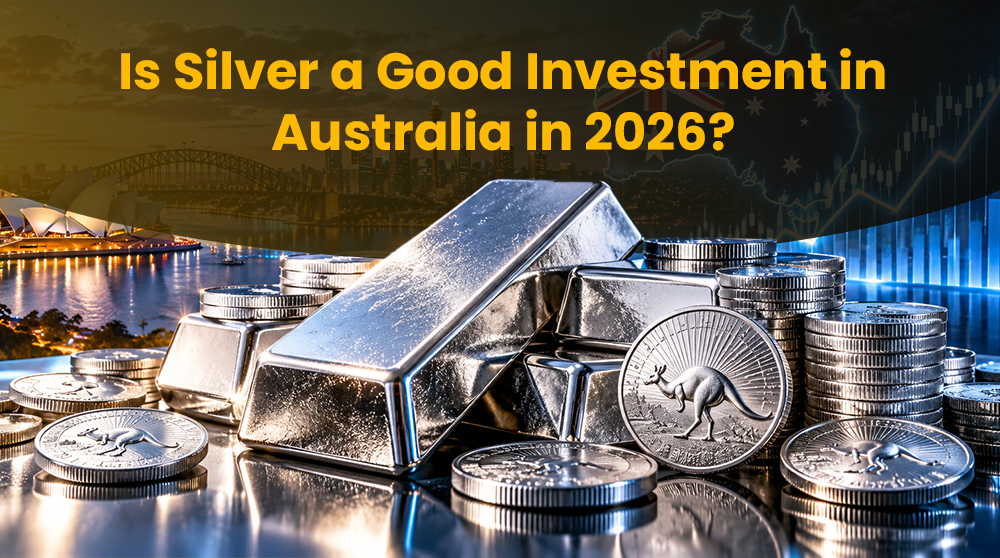

Silver has always had an interesting place in the precious metals market. While gold is mainly bought as a store of value and investment, silver is used both as an investment and in a wide range of industries. In 2026, this combination is attracting more attention from investors in Australia who are looking at silver as another way to hold a physical asset.
Is silver a good investment in Australia in 2026? Looking at what is driving silver demand and the risks involved can help you make a more informed decision. Here’s our 101 guide that explains everything you need to know about the precious metal. Read on.
Why Is Silver Getting More Attention in 2026?
One of the main reasons silver is attracting attention is that it has two important sources of demand. People buy silver as a precious metal investment, but silver is also an important material used in many industries.
Silver is used in solar panels, electric vehicles, electronics, and other modern technologies. As renewable energy and technology continue to develop, the demand for silver from these industries also increases. This gives silver a different market dynamic from gold, because its price is influenced not only by investor sentiment but also by what is happening in the wider economy and industrial sector.
At the same time, silver can attract investors when there is uncertainty in financial markets. Some people choose to hold physical silver because they want part of their wealth in a tangible asset rather than keeping everything in traditional financial products.
Is Silver Better Than Gold as an Investment in 2026?
Gold is seen as a long-term store of value and is less volatile than silver. Silver, on the other hand, has the added potential influence of industrial demand. This can create opportunities when industrial demand is strong, but it can also lead to larger price movements when economic conditions change.
The source data shows this difference clearly. Silver is more volatile than gold and suits investors who are comfortable with higher risk. Its main demand drivers are investors and strong industrial demand.
For someone who values stability and is primarily looking for long-term wealth protection, gold may be more suitable. Someone who is comfortable with greater price movements and wants exposure to industrial demand may find silver more interesting.
There is no one right answer to the better investment. The right choice depends on your investment goals, budget and preferences.
Silver Price Forecast for 2026
Silver tends to move more sharply than gold because it has both investment demand and industrial demand. Its use in solar panels, electronics and other industrial applications continues to influence demand. That gives silver strong potential for price movements in either direction, but it also means the metal can be more volatile than gold.
Silver has also experienced significant price movements in 2026. As of 23 September 2026, The Perth Mint’s live Australian-dollar spot price was around AUD$91 per ounce on the bid and AUD$93 per ounce on the ask. Like gold, the price changes throughout the day depending on global market movements and currency exchange rates.
For the rest of 2026, predictions vary widely. The LBMA’s 2026 analyst survey puts the average silver forecast at around AUD$112 per ounce, based on its US$79 forecast. Individual analyst forecasts range from approximately AUD$71 to AUD$149 per ounce, which shows just how much uncertainty there is around silver’s price for the rest of the year.
J.P. Morgan is more conservative, forecasting silver at around AUD$89 per ounce in the fourth quarter of 2026, with an average of about AUD$99 per ounce for the full year. Other forecasts are more optimistic. A September 2026 BullionVault compilation of AI forecasts showed December predictions ranging from roughly AUD$75 to AUD$106 per ounce, while surveyed private investors were expecting silver to reach around AUD$114 per ounce.
Gold vs Silver Performance in 2026
Here’s a quick comparison between gold and silver price forecasts, projected gain, market demand, volatility level, and more.
| Factor | Gold | Silver |
| End of 2025 Price | ~A$4,301 per oz | ~A$63 per oz |
| 2026 Forecast Range | A$4,700 – A$5,400 | A$53 – A$75 |
| Midpoint Projection | ~A$5,050 | ~$64 |
| Projected % Gain (Midpoint) | ~17% | ~2% |
| Bullish Forecast Potential | A$6,000+ | A$80 |
| Main Demand Driver | Central banks + investors | Investors + strong industrial demand |
| Volatility Level | Moderate | High |
| Typical Investor Type | Long-term wealth protection | Growth-oriented, higher risk tolerance |
| Key 2026 Risk Factor | Slowing inflation, stabilising economy | Industrial slowdown, demand shifts |
Silver Price Forecast: What Does It Mean for Australian Investors?
When looking at the silver price in Australia, it is important to remember that international silver prices and the Australian dollar both play a role.
Silver is traded globally, generally in US dollars. This means changes in the value of the Australian dollar can affect how the international silver price is reflected in Australia.
For example, even if the international silver price remains relatively stable, a significant movement in the Australian dollar can change the Australian-dollar price of silver. This is one reason Australian investors should look at the local price rather than relying only on overseas silver forecasts.
What Is Driving Silver Prices in Australia in 2026?
There are several factors that could influence the silver price in Australia throughout 2026. Some relate directly to silver, while others come from the broader economy.
- Industrial demand: Industrial use is one of the most important factors to watch. Silver is used in solar panels, electric vehicles, electronics and other technologies. Continued growth in these areas could support demand for silver.
- Geopolitical tensions: Conflicts between countries, trade disputes and political instability can make financial markets less predictable. During periods of uncertainty, investors may look towards precious metals such as gold and silver.
- Government spending: Government spending can also influence investor sentiment. Higher spending can sometimes increase concerns about government debt or future inflation. When people become concerned about the future value of currencies, some may look towards physical assets such as precious metals.
- Interest rates and monetary policy: When interest rates are high, investors may prefer assets such as savings accounts or bonds because they can earn interest. When rates fall or are expected to fall, precious metals can become more attractive to some investors because their value is not directly dependent on receiving interest payments.
- Inflation: Inflation simply means that the cost of goods and services is increasing over time. When inflation remains high, people may become concerned about the purchasing power of their money. Precious metals are seen by investors as a way of holding an asset that may retain value during periods of inflation. This does not mean silver will always rise when inflation rises, but inflation expectations can influence investor demand.
- Currency movements: For Australian investors, currency movements are another factor to consider. Silver is generally priced internationally in US dollars, so changes in the Australian dollar can affect the local Australian-dollar price of silver. A weaker Australian dollar, for example, can make internationally priced precious metals more expensive in Australian-dollar terms.
Buying and Selling Gold and Silver from Cash Your Gold
At Cash Your Gold, we keep a close eye on live market prices every day. If you have jewellery, bullion, coins, or scrap precious metals, we can give you a clear, honest valuation based on the live gold prices in Australia and/or live silver prices in Australia.
Our gold or silver buying process is straightforward. Our team explains the current market price, the available bullion options, and the total cost before you make a decision. Because pricing is linked to live gold prices in Australia and live silver prices in Australia, you can be confident that the rates reflect the real market value on the day.
Talk to our experts:
Get in touch
Or Visit
Our Brisbane stores
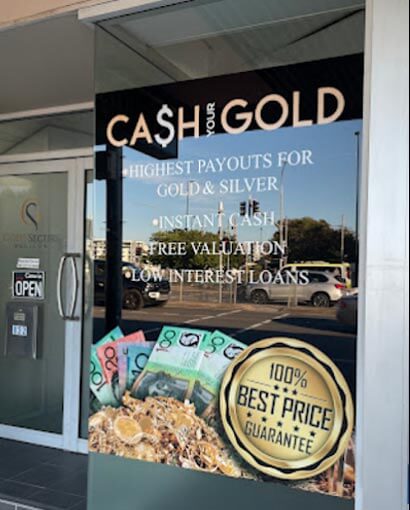
North Brisbane
Chermside
Located opposite Westfield Chermside, serving Chermside and surrounding North Brisbane suburbs.
-
Address
Suite 5, 832 Gympie Rd, Chermside QLD 4032, Australia -
Phone
(07) 49 390 234 -
Email
[email protected] -
Hours
Monday to Friday: 9 am to 5 pm | Saturday: 10 am to 4 pm | Sunday: Closed
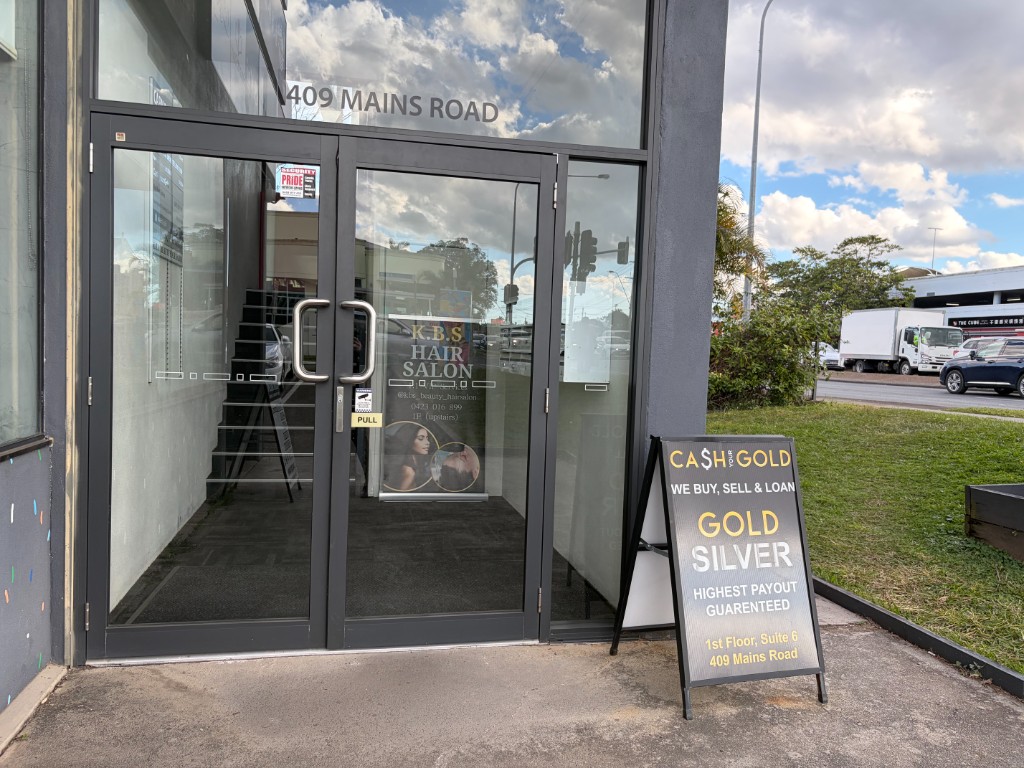
South Brisbane
Sunnybank
Located on Mains Road in Macgregor, serving Sunnybank and surrounding South Brisbane suburbs.
-
Address
Level 1, Suite 6/409 Mains Rd, Macgregor QLD 4109, Australia -
Phone
(07) 2142 6862 -
Email
[email protected] -
Hours
Monday to Friday: 9 am to 5 pm | Saturday: 10 am to 4 pm | Sunday: Closed
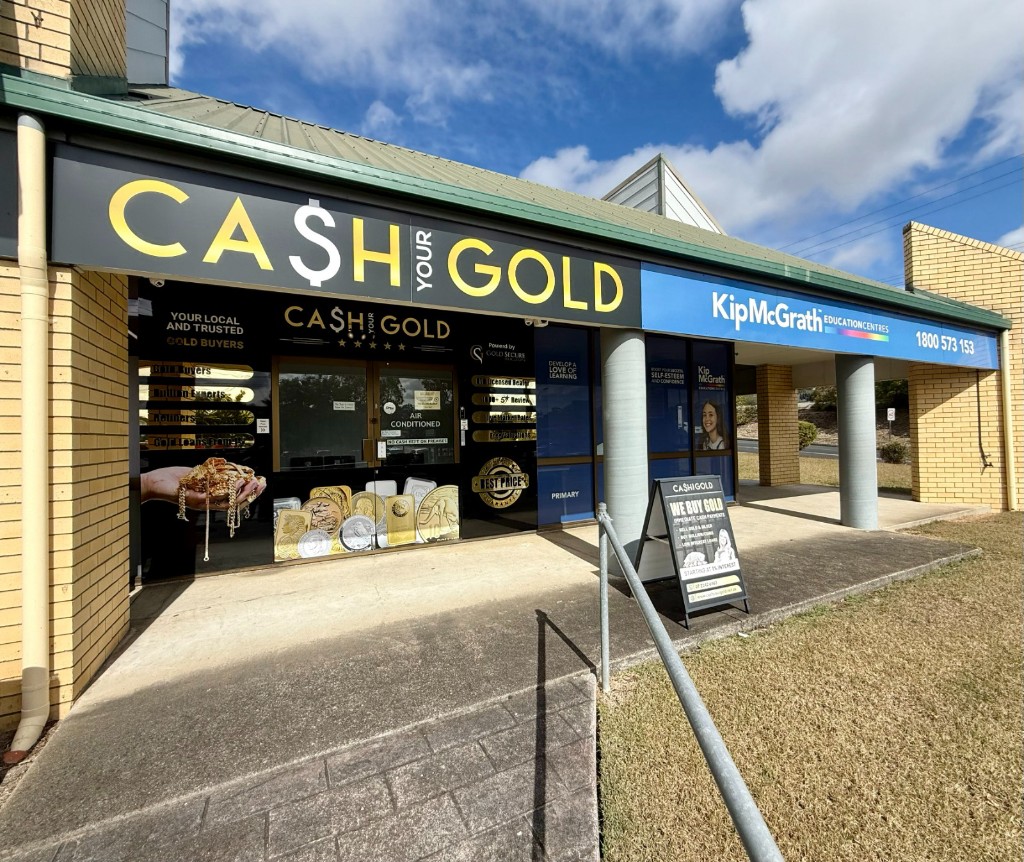
Logan
Browns Plains
Located in Regents Park near Browns Plains, serving Browns Plains and surrounding Logan suburbs.
-
Address
Unit 3/3376 Mount Lindesay Hwy, Regents Park QLD 4118, Australia -
Phone
(07) 2142 6482 -
Email
[email protected] -
Hours
Monday to Friday: 9 am to 5 pm | Saturday: 10 am to 4 pm | Sunday: Closed
Frequently Asked Questions (FAQs)
Q: Is silver better than gold as an investment in 2026?
A: There is no universal answer. Silver tends to be more volatile than gold and is influenced by both investment and industrial demand, while gold is generally viewed more as a long-term store of value.
Q: Why is silver getting more attention from investors in 2026?
A: Silver is attracting attention because it has both investment demand and industrial uses. It is used in areas such as solar panels, electric vehicles and electronics, while investors also buy it as a physical precious metal.
Q: What is driving silver prices in Australia in 2026?
A: Industrial demand, investment demand, geopolitical uncertainty, inflation, interest rates, government spending and movements in the Australian dollar can all influence silver prices.
Q: What factors could influence silver prices in Australia in 2026?
A: Changes in industrial demand, especially from areas such as renewable energy and electronics, could influence prices. Broader economic conditions, interest rates, inflation, geopolitical events and currency movements can also affect the market.
Q: What are the risks of investing in silver?
A: Silver can be highly volatile, meaning its price can move up and down more sharply than gold. Industrial demand can also change, and there is no guarantee that a forecast or recent price increase will continue.
Q: Where can I buy silver bullion in Australia?
A: Silver bullion can be purchased through precious-metal dealers such as Cash Your Gold. Before buying, it is useful to understand the product’s purity, weight, price and any additional costs involved.
